Showing posts with label healthy lifestyle. Show all posts

Tuesday, 19 January 2016

7 tips for a healthy day and 2016

By Laura Shelly
Happy New Year, everyone! I hope you all had a wonderful holiday season with loved ones. I know the holidays can be a challenging time for sticking with a healthy nutrition and workout routine, so I hope you enjoyed the extra indulgences without any guilt. I know I did!

To me, living a healthy lifestyle means balance and moderation. Enjoy those Christmas meals without a second thought, and do your best to get back on track once the season is over. Below I’ve included 7 daily tips to follow to get you back on track for 2016. If living a healthy lifestyle is new to you, make small changes as you’re ready, and I know you’ll feel improvements both physically and mentally with consistency. Healthy eatingHealthy eating Stock image
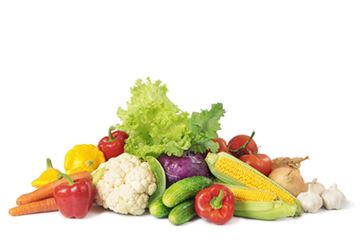
Eat plenty of vegetables and fruit and other tips for a healthy day and a healthy 2016.

• Sleep! I can’t express this enough. I try to be consistent with my sleeping habits by going to bed and waking up at the same time everyday, and being sure to get seven to nine hours per night. Sleep is the time for your body to regenerate, and is also responsible for balancing your hormones. Adequate sleep will allow your muscles to recover from a workout, will stabilize your appetite and will give you energy to function optimally throughout the day.

• Start your day with lemon water. Lemon water reduces inflammation by helping to alkalize your body, aids in digestion, clears skin and prevents the afternoon crash. I could go on and on about the benefits of lemon water. I personally add half a squeezed lemon to a cup of warm water every morning before breakfast.

• Plan ahead! By planning your day, you can be sure to incorporate healthy meals you can prepare the day before. When I’m in a good routine, I’ll cook enough food to last for a few days, and package each meal in a glass container. When you’re prepared, you can only succeed.

• Eat all food groups. Healthy nutrition is key, and I don’t believe in drastic diets. Actually, I don’t like the word diet at all. Eating a balance of protein, healthy fats, complex carbs and plenty of veggies and fruits is key to a healthy body. It’s better to establish healthy nutrition habits on the long term, rather than follow a shirt term diet that isn’t realistic for everyday life.

• Exercise! Set aside time to exercise, and treat this time like an appointment for your heart. Whether it’s getting outdoors for a walk, going to a fitness class, or hitting the weights at the gym, choose something you enjoy. As children, we didn’t view playing as work, so as adults we should attempt to do the same. By choosing an activity you enjoy, you’ll be more likely to stick to it.

• Surround yourself with positive and like-minded people. I always look at the new year as a fresh start. If any relationships are bogging you down, then perhaps it’s time to re-think them. I know I’ve moved on from these types of situations in my past, and have only ever felt better after doing so. I can truly say I love all my friends, and I always feel uplifted around them. I wish you all the same.

• Shutdown electronic devices. This is something I need to work on myself. Shutting off electronic devices at least a hour before bed allows you to fully relax and prepare for sleep. Whether it’s having a hot bath, doing some reading (using a book) or being with a loved one, try to make this a habit. Our society is far too busy, and at times too connected in my personal opinion. Taking time for oneself after a busy day and keeping electronic devices away from the bedroom will result in better sleeping habits. As a business owner, “unplugging” is something I want to work on this year.

Much love,
Laura Shelly

*Exercise of the month: Take the stairs  – after the holiday feasting, I challenge you all to take the stairs this month. Every little bit of extra activity counts!
*Healthy food of the month:  – beetroot is known to reduce blood pressure, boost energy and fight inflammation. You can add it to salads or drink it as a juice, and you can also eat the greens.

---
Laura Shelly has been a certified Personal Trainer and Fitness Instructor for 3 years, and also specializes in pre- and post-natal fitness. She has her own local business called ‘Laura’s Bombshells’ where she focuses on both in-home and gym training, as well as online training programs. Contact her via ‘Laura Shelly’ on Facebook, on Twitter @LShell86, Instagram @laurashellyfit or by email at ms.laurashelly@gmail.com for help or inquiries.

Friday, 15 January 2016

The shower secret

that can really wake you up

Add some icy cold water to your morning shower routine to really wake up 

The average Briton will take 227 showers a year, according to research.

Showers are a firm favourite with Brits, with over a third of us only taking four baths or fewer over an entire year, research from LateRooms.com suggests.

However, as many of us jump in the shower first thing in the morning in a bid to wake us up and energise us for the rest of the day, there could be a shower secret that could give you a bit more pep in the morning.

If you have a hot morning shower, the effect of the warmth could make you feel more sleepy than awake, according to Business Insider.
So, taking a hint from hot-and-cold hydrotherapy, add a small burst of ice cold water and hotter than usual water to your shower routine.
Add some icy cold water to your morning shower routine to really wake up   

How to have an energising shower 

After finishing your usual routine of washing your hair and cleaning your body, switch the water temperature to as cold as it goes and spend 30 seconds under the shower head.
Then turn the temperature back to as hot as you can stand, without literally burning yourself. Spend another 30 seconds in the hot water. This will help increase your blood flow.
Finish off with another 30 seconds under the cold tap.

Mollie Goodfellow, Thursday 14 January 2016


Saturday, 2 January 2016

Should we make loosing weight our New Year resolution?

This is what I`ve found at the New Year, as an inspiration, to think differently about our healthy lifestyle and what fuelled my desire to share this especially with women and appeal to them is don`t buy mock dreams!

You already have the dream about being accepted, esteemed, admired but there is a small thing in the way of that becoming reality.
You feel uneasy about your weight, you worry about your entire image when comparing yourself to the ideals created by show business, the fashion world and media in general and then this is adapted by the current culture as if it is the only proper way to think.

Even girls from early years are fed by Barbie`s model which often creates an obssessive approach to their own figure. Instead of being taught rules of healthy behaviour and thankfulness for their body`s potential and beauty as it, is they get clothes and accessories inappropriate for their age. Girls and teenagers obtain gifts which they think make dreams come true, but not their own ones, but ones created by the world where money matters, and there is not a true care about the physical and mental wellbeing of their young people.

If anybody considers their weight as too big/litlle and is going to make a little New Year resolution relating to desire to change it, should he/she start rather with altering their profound attitude towards his/her body?

How could you build anything valuable and lasting when you have distaste for the object of your effort? How many months or weeks can you persevere working for somebody you dislike and don`t accept? How can you reach a goal when being disqualified from starting? Isn`t this the first thing to do - find that entire you, that you are worth love, not to be punished?

What small steps can you make to show yourself that?


Read the article which has inspired me to to write about the New Year resolution:
Several years have passed since "Soul Surfer" Bethany Hamilton's book "Body and Soul" was first published and yet it continues to inspire countless people with its message of health and positivity.
The new mom recently shared a photo of her book and writes, "Honored to encourage girls and women in their overall health and faith with my book #BodyandSoul!"
"Living healthy is very important to me and a great passion of mine. I cherish my health and I'm grateful to be alive and well. We all have to find what works for us in our daily life..." she wrote.
When she got pregnant early last year, Hamilton lived by her beliefs. She promoted a healthy pregnancy by constantly exercising and eating good food.
After giving birth, Hamilton acknowledged that her body has changed. She encouraged other women who are conscious about their post-birth bodies not to feel depressed about it.
"I've seen many comments on 'her post birth body.' I find it silly for us as women to worry about our body as we grow a human being inside of us! It is such an amazing feat to go through pregnancy. And then you have this wonderful lil being that is part you and part of your significant other. It's natural and HEALTHY to gain weight," she said.
To prove her point, Hamilton shared a photo of herself wearing her surf suit with her belly bulging out. "Here I am two months after giving birth to Tobias," she said. "I feel great and healthy! It takes 9 months for our bodies to change and grow. So I can say it's alright to take your time, maybe about 9 months, to get back to the new, healthy, beautiful, and normal you."


Bethany Hamilton, seen here two months after giving birth to firstborn son Tobias Dirks, is embracing the curves that her pregnancy brought about and is encouraging other women not to be obsessed about losing their pregnancy weight.

http://www.christiantoday.com/article/bethany.hamilton.honoured.that.she.gets.to.encourage.women.to.pursue.healthy.lifestyle/75150.htm

Monday, 14 September 2015

These health habits of India are being copied by the West!

By Udita Madan | Last Updated: Sunday, September 13, 2015 - 12:54


Welcome to the life and times of globalization. Where everything, from food to clothes to language to mannerisms, of cultures across the globe are being adopted.

It feels good to see your cultural qualities and mannerisms get adopted by a person from a different culture altogether and it feels even better when that habit is a beneficial one.

We have usually seen and thought that Indians imitate Western habits, however, this time things are going to be reversed. Why, you ask?

Surprisingly there are a lot of Indian trends that get copied in foreign lands and healthy home remedies top the list in this case.

Yes, you heard right! There are a few home remedies for health that the West has adopted as a part of their daily lifestyle.

Want to know a few of them? Read on!

1. Practicing Yoga as a way of life:


In India, yoga is practiced at large as an exercise and is being taken up by adults and the youth alike. But in the West, Yoga has become a major trend for better health for all age groups. Other than the normal yoga poses, Westerners also experiment with a variety of styles such as doga (yoga with dogs), equine yoga (yoga with horses) and karaoke yoga.

2. Using turmeric in diet:


Turmeric is a staple spice in Indian households. We add it to most of our dishes, and even drink it with milk. This spice is loaded with anti-inflammatory properties, which is what has helped it become extremely popular in the West.

3. Going the coconut oil way:


Coconut oil is used widely in southern India and has also been gaining popularity in northern India since the past few years. While it took time for the West to acknowledge its potential as a healthy oil, it is now being widely used in skin and hair products as well as being popularly used for 'oil pulling' that is done to eliminate dental ailments. It is also recommended that you add a spoon of coconut oil in your cup of coffee for weight loss.

4. Spicing up their tea:


While tea was the most popular drink the British had, India added to it what it has always sworn by – herbs and spices. Ginger tea is one of the most popular drinks in the west because it is considered to be a great source of detox and it also helps boost immunity to fight cough and cold. Plus, you can never go wrong with a bit of ginger tea.

5. Replacing vegetable oil with ghee:


If Indian households always have one thing stocked up, it's desi ghee. Ghee is known for it's nutritional value and it's role as a lubricant for the veins to aid smooth blood flow in our body. It is something that can be added to your daily diet and is in fact, considered better than vegetable oil. The Westerners now use ghee to saute and fry their vegetables and meat to give their dishes an empowering flavour.

Like they say, experimentation is the spice of life!


First Published: Sunday, September 13, 2015 - 09:49


Friday, 6 February 2015

Healthy lifestyle can lower heart disease risk

Waiting for a magic pill that will provide a healthy heart and long life? The bad news is you'll wait forever for that impossible potion. The good news is you probably have far more control over your wellbeing than you know.
Due to advancements in prevention and treatment, cardiologist Gerald Sotsky of Valley Hospital has seen a decrease in heart disease during his career.
PHOTO COURTESY OF VALLEY HOSPITAL
Due to advancements in prevention and treatment, cardiologist Gerald Sotsky of Valley Hospital has seen a decrease in heart disease during his career.
Cardiologists Jeffrey Matican, MD, and Gerald Sotsky, MD, agree - remarkable tools for preventing and treating heart disease are available today. A noteworthy decrease in heart disease during their careers has been a marvelous development.
"Now we prevent heart attacks and treat people who have it," said Dr. Sotsky, chair of cardiac services for Valley Medical Group.
As for Dr. Matican, chief of cardiology and medical staff president for Englewood Hospital and Medical Center, he cares for a greater number of patients in their nineties than he could ever have predicted as a new doctor. These older seniors are now a regular part of his practice. This bit of news is excellent - the frequency of heart disease is down and life expectancy is up.
The first step to good heart health? Adopt healthy living, said Dr. Matican. Precipitous drops in the incidence of cardiac disease have coincided with widespread changes over the last 30 years, including less smoking, improvements in diet and a greater interest in exercise. "People are living longer because of lifestyle trends," he said.
Matican's words comprise both a simple equation and a stunning statement. In a very real way, your life depends on how you live it.
Knowing your risk factors for heart disease is crucial too, especially since most of an individual's health profile is subject to modification. In other words, the chances of getting heart disease can be reduced. Common risk factors include smoking, hypertension, diabetes, high cholesterol, obesity, physical inactivity, stress and family history, and there are numerous examples of their possible harmful effects. Smoking, which causes heart disease and a plethora of other disabling and deadly conditions, elevates blood pressure, increases fatty deposits in arteries, reduces exercise tolerance and increases the blood's tendency to create life-threatening clots. (Smoking has also has been proven to sicken or kill non-smokers.) Obesity promotes cholesterol build-up in artery walls and the onset of diabetes. Diabetes plays its own grim role in heart disease by damaging blood vessels. A family history of heart disease can mean a tendency to high cholesterol.
All adults should address smoking, exercise and diet as early on as possible, emphasized Dr. Matican. Next on the heart-healthy agenda is determining which of your risk factors need to be managed. Appropriately scheduled physical exams should start in your twenties. "You might not need an annual every year," said Dr. Matican, "but you certainly need a baseline." He added, "It's never too late to turn over a new leaf" as lowering risk factors is valuable at all stages of life.
Not consulting a physician until you feel ill or, even worse, have chest pain or shortness of breath can mean fewer options for your care, or a heart attack that could have been prevented.
"A lot of heart disease is sub-clinical, meaning it will not have symptoms until it's advanced," said Dr. Sotsky, who noted these obvious red flags generally don't present until a blockage of at least 70 percent exists. Checkups can reveal serious conditions, but they are also valuable in helping prevent heart disease or lessening its effects.
When it comes to your heart, your physician should be your most trusted advisor. He or she also is a gatekeeper to the advanced cardiac care available today, including diagnostic testing. One of many examples is coronary calcium scoring, in which a non-invasive scan shows if and how much calcified plaque is present in the coronary arteries. The results provide cardiologists with information about managing a patient's risk factors. Sometimes "the calcium score changes your mind about how aggressively a patient should be treated," said Dr. Sotsky.
Statins - drugs most often known to lay-people for their ability to lower high bad cholesterol - have been highly instrumental in reducing the frequency of heart attacks by fighting inflammation. "The most important effect of statin drugs is to promote plaque stability and prevent plaque rupture," said Dr. Sotsky, who prescribes the life-saving drugs in a variety of circumstances. Diabetics and individuals with coronary, carotid, or peripheral artery disease or a high calcium score are likely candidates.
Stress reduction is important, too, said Dr. Matican. "Stress in our society is also a major contributor to heart disease."
Stress not only raises blood pressure and blood sugar, it also sets off harmful behavior such as overeating and drinking. Traditional or chair yoga, tai chi or any kind of exercise can be helpful. Dr. Matican also recommends meditation or sitting alone quietly for 30 minutes. Both Englewood Hospital and The Valley Hospital have underscored the importance of treating all aspects of a person by offering growing specialized services in integrative medicine, a science-based discipline that embraces the importance of the mind-body-spirit connection.
Of no small consequence is the physician you charge with your care. Choose one who takes the time to explain things to you and commands your respect, said Dr. Matican. "The doctor-patient relationship is very important. You won't follow the advice of a doctor you don't trust."

FEBRUARY 5, 2015    BY KATHLEEN MATHIEU
http://www.northjersey.com/news/living-a-healthy-lifestyle-can-lower-the-risk-for-heart-disease-1.1265400 

Tuesday, 20 January 2015

Scientists recommend 20-minute daily walk to avoid premature death

Research into obesity establishes benefits of engaging in moderate levels of daily exercise


Woman walking a
Adults should aim to do at least 150 minutes of moderate intensity activity a week, the British Heart Foundation recommends. Photograph: Tony Watson /Alamy

Lack of exercise is twice as likely to lead to an early grave as obesity, research has shown.
A brisk 20-minute walk each day could be all it takes to avoid dying prematurely, the findings suggest.
Scientists looked at the effects of obesity and exercise on 334,161 European men and women whose progress was followed for 12 years. They found that people who engaged in moderate levels of daily exercise – equivalent to taking an energetic 20-minute walk – were 16% to 30% less likely to die than those classified as inactive.
Although the impact of exercise was greatest among people of a normal weight, even those with a high body mass index (BMI) levels saw a benefit.
Overall, avoiding inactivity theoretically reduced the risk of death from any cause by 7.35%, said the scientists. Having a BMI lower than obesity levels, defined as a score of 30 or more, was estimated to lower mortality by 3.66%. Keeping waists trim, irrespective of BMI, had a similar impact on death rates as exercise.
BMI is calculated by dividing a person’s weight in kilograms by their height in metres squared and is a standard tool used to assess whether someone is overweight or obese.
Lack of exercise was thought to have caused almost 700,000 deaths across Europe in 2008.
Study leader Prof Ulf Ekelund, from the Medical Research Council (MRC) epidemiology unit at Cambridge University, said: “This is a simple message: just a small amount of physical activity each day could have substantial health benefits for people who are physically inactive.
“Although we found that just 20 minutes would make a difference, we should really be looking to do more than this – physical activity has many proven health benefits and should be an important part of our daily life.”
Participants in the research, who had an average age of about 50, were recruited to the European Prospective Investigation into Cancer (Epic) study conducted across 10 European countries, including the UK. All had their height, weight and waist sizes measured and provided self-assessments of physical activity levels.
Just under a quarter (22.7%) were categorised as inactive, working in sedentary jobs without engaging in any recreational exercise.
The findings, which are published in the American Journal of Clinical Nutrition, say the greatest reductions in the risk of premature death were seen when comparing moderately active groups with those who were completely inactive.
Using the most recent available public data, the researchers calculated that 337,000 of the 9.2m deaths that occurred in Europe in 2008 could be attributed to obesity, but physical inactivity was thought to be responsible for almost double this number – 676,000 deaths.
Co-author Prof Nick Wareham, director of the MRC epidemiology unit, said: “Helping people to lose weight can be a real challenge and, whilst we should continue to aim at reducing population levels of obesity, public health interventions that encourage people to make small but achievable changes in physical activity can have significant health benefits and may be easier to achieve and maintain.”
June Davison, senior cardiac nurse at the British Heart Foundation, said: “The results of this study are a clear reminder that being regularly physically active can reduce the risk of dying from coronary heart disease.
“The research suggests that just a modest increase in physical activity can have health benefits. Adults should aim to do at least 150 minutes of moderate intensity activity a week, carrying it out in sessions of 10 minutes or more.
“Whether it’s going for a walk, taking a bike ride or using the stairs instead of the lift, keeping active every day will help reduce the risk of developing coronary heart disease.”
Press Association, The Guardian

Tuesday, 2 December 2014

What are the eight most popular diets today?

There are literally hundreds of thousands of diets. Some are for losing weight, others for gaining weight, lowering cholesterol, living a long and healthy life, etc. The Mediterranean Diet, for example, reflects the culinary habits of southern European people.
The word diet comes from Old French diete and Medieval Latindieta meaning "a daily food allowance". The Latin word diaetaand Greek word diaita mean "a way of life, a regimen".

A diet can be described as a set course of eating and drinking in which the kind and amount of food one should eat is been planned out in order to achieve weight loss or follow a certain lifestyle.
This Medical News Today information article provides details on the most popular diets according to three criteria: how many articles there are around about these diets/lifestyles, how popular they seem to be generally, and how often we receive feedback on them.
Contents of this article:
  1. Atkins Diet
  2. The Zone Diet
  3. Vegetarian Diet
  4. Vegan Diet
  5. Weight Watchers Diet
  6. South Beach Diet
  7. Raw Food Diet
  8. Mediterranean Diet
Below you can see a list of the eight diets, a summary on each one, and links to specific articles about those diets:

Atkins Diet

The Atkins Diet, or Atkins Nutritional Approach, focuses on controlling the levels of insulin in our bodies through diet.1
If we consume large amounts of refined carbohydrates our insulin levels will rise rapidly, and then fall rapidly. Rising insulin levels will trigger our bodies to store as much of the energy we eat as possible - it will also make it less likely that our bodies use stored fat as a source of energy.
Most people on the Atkins Diet will consume a higher proportion of proteins than they normally do.

The Zone Diet

The Zone Diet aims for a nutritional balance of 40% carbohydrates, 30% fats, and 30% protein each time we eat. The focus is also on controlling insulin levels, which result in more successful weight loss and body weight control.2  The Zone Diet encourages the consumption of good quality carbohydrates - unrefined carbohydrates, and fats, such as olive oil, avocado, and nuts.

Vegetarian Diet

There are various types of vegetarian: Lacto vegetarian, Fruitarian vegetarian, Lacto-ovo-vegetarian, Living food diet vegetarian, Ovo-vegetarian, Pescovegetarian, and Semi-vegetarian.3
The majority of vegetarians are lacto-ovovegetarians, in other words, they do not eat animal-based foods, except for eggs, dairy, and honey.
Studies over the last few years have shown that vegetarians have a lower body weight, suffer less from diseases, and generally have a longer life expectancy than people who eat meat.

Vegan Diet

Veganism is more of a way of life and a philosophy than a diet. A vegan does not eat anything that is animal based, including eggs, dairy, and honey.4
Vegans do not generally adopt veganism just for health reasons, but also for environmental and ethical/compassionate reasons.
Vegans believe that modern intensive farming methods are bad for our environment and unsustainable in the long term. If all our food were plant based our environment would benefit, animals would suffer less, more food would be produced, and people would generally enjoy better physical and mental health, vegans say.

Weight Watchers Diet

Weight Watchers focuses on losing weight through diet, exercise, and a support network.5
Weight Watchers Inc. was born in the 1960s when a homemaker (housewife) who had lost some weight and was concerned she might put it back on. So, she created a network of friends. Weight Watchers is a huge company, with branches all over the world.
Dieters can join either physically, and attend regular meetings, or online. In both cases there is a great deal of support and education available for the dieter.

South Beach Diet

The South Beach Diet was started by a cardiologist, Dr. Agatston, and a nutritionist, Marie Almon.6
It focuses on the control of insulin levels, and the benefits of unrefined slow carbohydrates versus fast carbs. Dr. Agatston devised the South Beach Diet during the 1990s because he was disappointed with the low-fat, high-carb diet backed by the American Heart Association. He believed and found that low-fat regimes were not effective over the long term.

Raw Food Diet

The Raw Food Diet, or Raw Foodism, involves consuming foods and drinks which are not processed, are completely plant-based, and ideally organic.7
Raw foodists generally say that at least three-quarters of your food intake should consist of uncooked food. A significant number of raw foodists are also vegans - they do not eat or drink anything which is animal based.
There are four main types of raw foodists: raw vegetarians, raw vegans, raw omnivores, and raw carnivores.

Mediterranean Diet

The Mediterranean Diet is Southern European, and more specifically focuses on the nutritional habits of the people of Crete, Greece, and southern Italy. Nowadays, Spain, southern France, and Portugal are also included; even though Portugal does not touch the Mediterranean Sea.
The emphasis is on lots of plant foods, fresh fruits as dessert, beans, nuts, cereals, seeds, olive oil as the main source of dietary fats, cheese and yogurts are the main dairy foods, moderate amounts of fish and poultry, up to about four eggs per week, small amounts of red meat, and low/moderate amounts of wine.8
Up to one third of the Mediterranean diet consists of fat, with saturated fats not exceeding 8% of calorie intake.

Western diet can shorten your life

Tasnime Akbaraly, PhD, Inserm, Montpellier, France, and team carried out a study that found that the "Western Diet", which is high in sweet and fried foods, raises a person's risk of dying early. They published their findings in the American Journal of Medicine.9
Dr. Akbaraly said "The impact of diet on specific age-related diseases has been studied extensively, but few investigations have adopted a more holistic approach to determine the association of diet with overall health at older ages. We examined whether diet, assessed in midlife, using dietary patterns and adherence to the Alternative Healthy Eating Index (AHEI), is associated with aging phenotypes, identified after a mean 16-year follow-up."
The team found that study participants who strayed from the "Alternative Healthy Eating Index" had a considerably higher risk of cardiovascular and non-cardiovascular death.

The advantages of plant-based diets

The well known journal, Food Technology in October 2012 published a report explaining that plant-based diets either minimize or completely eliminate people's genetic propensity to developing chronic diseases, such as diabetes type 2, cardiovascular disease, and cancer.

Written by Christian Nordqvist

Thursday, 30 October 2014

More Than a Third of US Adults Not Getting Enough Sleep

sleeping-couple-110114-02
Two reports released by the Centers for Disease Control and Prevention(...) reveal the sleep habits of adults in the United States, including their increasing tendency to get fewer than seven hours a night, hurting their ability to concentrate and raising the risk of driving.

Residents of Hawaii have particular trouble sleeping well, according to the responses to one survey, and the CDC said more research on the matter is needed.

In one report, based on a survey of nearly 75,000 people in 2009, CDC researchers examined four unhealthy sleep behaviors: inadequate sleep, snoring, nodding off during the day and nodding off while driving.

Thirty-five percent reported getting fewer than seven hours of sleep on an average night, 48 percent reported snoring, 38 percent reported unintentionally falling asleep during the day sometime in the previous month, and nearly 5 percent said they'd nodded off while driving in the previous month.

The number of U.S. adults reporting that they get fewer than seven hours of sleep rose from 1985 to 2004, and that increase could be attributed to trends such as the increased use of technology and more people working night shifts, the CDC said.

Among people ages 25 to 54, nearly 40 percent reported getting fewer than seven hours of sleep. People over 65 were the least likely to say they got fewer than seven hours of sleep about 25 percent of them reported this.

About 46 percent of those currently unable to find work said they got fewer than seven hours of sleep, compared with 37 percent of employed people. And, of the 12 states in which adults were surveyed, Minnesota had the lowest rate (27 percent) of residents who got fewer than seven hours of sleep, while 45 percent of Hawaiians said the same.
In fact, Hawaiians had the highest prevalence of all of the unhealthy sleep behaviors.

The National Sleep Foundation suggests seven to nine hours of sleep per night for adults. Both shorter and longer durations can be worse for your health, the CDC said.

More than 56 percent of men reported snoring, while 40 percent of women did.

People ages 18 to 24 and those over 65 were the most likely to unintentionally fall asleep during the day about 44 percent of these groups reported nodding off.

And people ages 25 to 34 were the most likely to say they'd fallen asleep while driving sometime during the last month(...)

MyHealthNewsDaily Staff   |   March 03, 2011

Sunday, 3 August 2014

A healthy lifestyle - more than just dieting

Reasons for wanting to lead a healthy lifestyle may include:

  • feeling stressed, anxious or depressed
  • feeling overweight and sluggish
  • lacking energy and motivation
  • lacking confidence and self-esteem
  • feeling tired and bored
  • wanting to get active and improve your fitness
  • wanting a more positive outlook and to feel more ‘alive’
  • feeling unable to concentrate or focus.
The most common tips for improving your health include:
  • drink more water
  • more fruit and vegetables
  • reduce sugar and salt intake
  • more fish
  • reduce convenience foods
  • reduce alcohol intake
  • eight hours of sleep a night
  • wholemeal instead of white bread
  • more seeds and nuts
  • more fibre
  • quit smoking
  • get fit and use your body to the best of your ability.
Your emotional and mental health needs taking care of too:
  • quit faddy dieting regimes and adopt a balanced diet
  • get outside and do something you enjoy
  • take up a hobby or sport you like
  • focus your energy on achieving a healthy lifestyle
  • take care of your spiritual wellbeing
  • recognise and accept your emotional needs
  • help others and give freely to them.