
This is a comprehensive fact sheet on using lemon around your house.
In the US, lemons have been grown since the 16th century in Florida, after being brought to the New World by Christopher Columbus. With their high vitamin C content, lemons (along with limes) were valued to protect against the development of scurvy.
During the California Gold Rush, lemons were in such high demand that people paid up to $1 per lemon, which would still be considered pricey today (so it was extremely expensive during the 1800s).
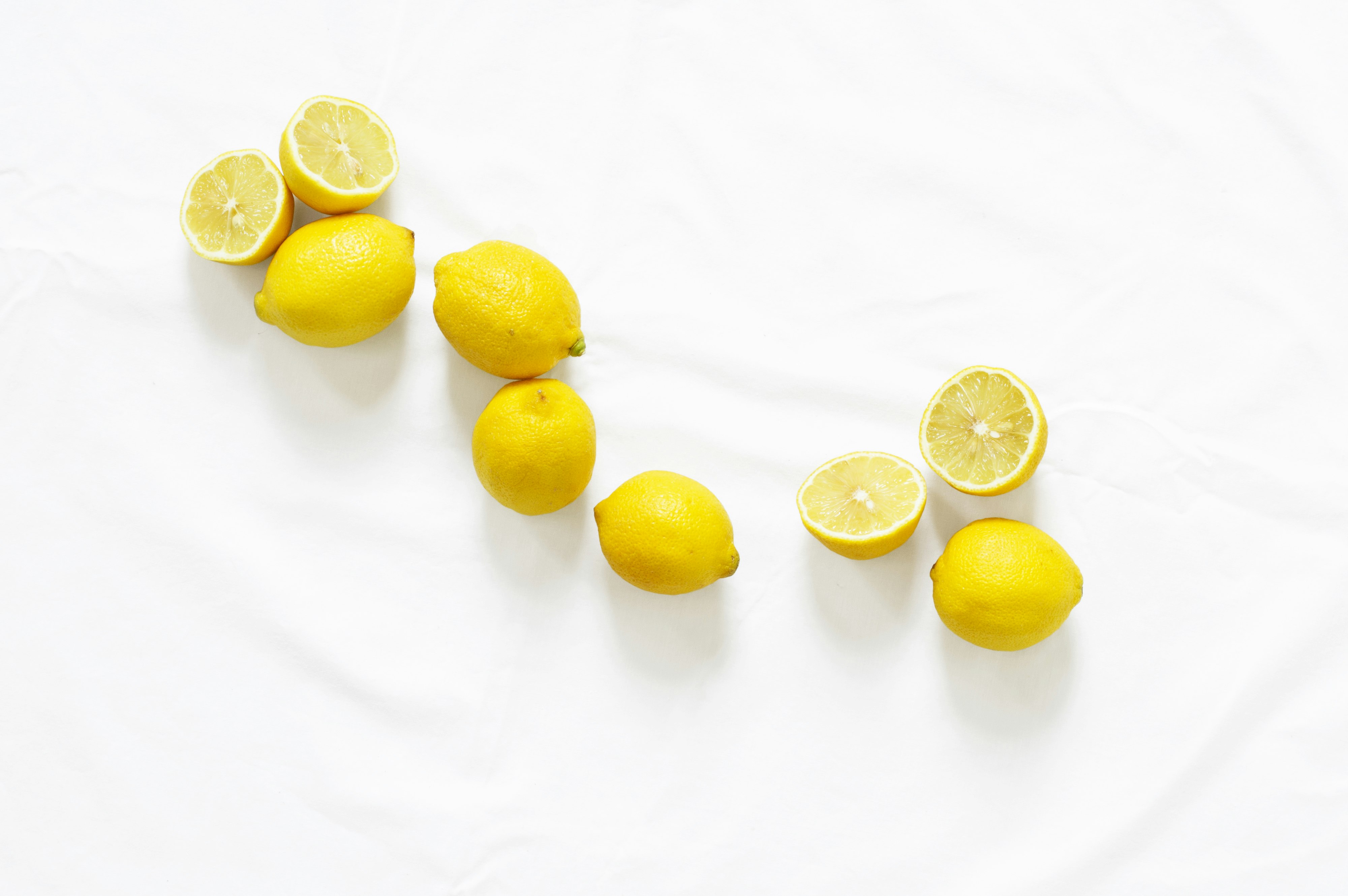
The vitamin C content alone provides a good reason to keep a steady supply of lemons on hand, but these bright citrus fruits also contain additional antioxidants known as flavonoids that may play a beneficial role in fighting heart disease, cancer, and inflammation. As noted in the Journal of Agricultural and Food Chemistry:
The vitamin C content alone provides a good reason to keep a steady supply of lemons on hand, but these bright citrus fruits also contain additional antioxidants known as flavonoids that may play a beneficial role in fighting heart disease, cancer, and inflammation. As noted in the Journal of Agricultural and Food Chemistry:
"The anti-oxidant and anti-inflammatory properties of Citrus flavonoids can play a key role in their activity against several degenerative diseases and particularly brain diseases."
Lemons are simple to add to your diet; they can be incorporated into vegetable juice, used in salad dressings, squeezed over veggies, or used to make lemon water, for starters. In addition, you'll be amazed at just how many uses lemons have outside of the kitchen.
Around your home, lemons can be veritable superstars for cleaning, skin care, and much, much more. Business Insider compiled more than five dozen ways to use lemons in all, which you can browse through below.
61 Ways to Use Lemons Around Your Home
Deodorizing
Garbage disposal: Freeze lemon slices and vinegar in ice cube trays. Place a few frozen cubes down your disposal for cleaning and freshening.
|
Refrigerator: Soak a sponge in lemon juice and let it sit in your fridge for a few hours; it works better than baking soda to remove odours.
|
Room freshener: Simmer a pot of water and add lemon peels, cloves, and cinnamon sticks.
|
Humidifier: Add lemon juice to the water in your humidifier, then let the machine run for deodorizing.
|
Breath: Drinking lemon water helps freshen your breath (rinse your mouth with plain water afterwards since lemon juice may erode your teeth).
|
Trash cans: A few lemon peels added to your garbage can will help with odours.
|
Fireplace: Dried citrus peels can act as kindling in your fireplace, adding a wonderful smell and acting as a flame starter. Simply let the peels sit out for a few days before using.
|
Hands: Add lemon juice while washing your hands with soap to help remove stubborn odours like garlic.
|
Cat box: Place lemon slices in a bowl near your cat box to help freshen the air.
|
Cleaning
Furniture polish: Combine lemon oil, lemon juice, and olive or jojoba oil to make a homemade furniture polish. Simply buff with a cloth.
|
Microwave: While I don't recommend microwave cooking, I realize many people use one. If you caked on food, microwave a bowl of water, lemon juice, and lemon slices for three minutes. The food will wipe right off.
|
Windows: Lemon juice cuts through grease and grime on windows and glass. Try combining it with cornstarch, vinegar, and water for a phenomenal window cleaner.
|
Hard water stains: Rub a cut lemon on your faucets and shower fixtures. It will remove hard water stains and leave fixtures shiny.
|
Cutting boards: Sprinkle coarse salt on your cutting board then rub with a cut lemon to freshen and remove grease. This trick also works for wooden salad bowls and rolling pins.
|
Coffee maker: Run a cycle with plain water, then add a mixture of lemon juice and water to the water tank. Let it sit then run the cycle through. Repeat this process once more, then run another plain water cycle (you'll want to wash the coffee pot and filter afterwards to remove any lemon taste).
|
Rust stains on marble: Sprinkle baking soda on the stains then add lemon juice. Scrub and repeat as necessary, then wipe clean with a wet rag.
|
Brass and copper polish: Combine lemon juice and vinegar (equal parts) then apply with a paper towel to brass or copper. Polish with a soft cloth until dry. Lemon juice can also be combined with baking soda to make a paste that will remove tarnish.
|
Silverware polish: Combine one tablespoon lemon juice, 1.5 cups of water and 0.5 cut instant dry milk. Soak your silverware in the mixture overnight, then rinse and dry. In a pinch, you can apply lemon juice to tarnished silverware and buff with a clean cloth.
|
Dish soap booster: A teaspoon of lemon juice added to dish soap helps cut through grease and increases effectiveness.
|
Plastic containers: I recommend glass containers to store your food, but if you have plastic containers with food stains, rubbing them with lemon juice and letting them dry in the sun will help remove the stains.
|
Toilet: Adding half a cup of lemon juice to your toilet, then letting it sit prior to scrubbing, will help remove stains. Add half a cup of borax for stubborn stains.
|
Drains: To unclog a drain, pour a pot of boiling water down the drain followed by half a box of baking soda and 8-12 ounces of lemon juice. The lemon juice and baking soda will react, creating a foam. Follow this up with another pot of boiling water to flush away the clog.
|
Shower doors: Dip the cut half of a lemon in baking soda, then rub into on the glass to remove water stains. Rinse and towel dry.
|
All-purpose cleaner: Combine water, baking soda, vinegar, lemon, and lemon essential oil for a wonderful kitchen or bathroom cleaner.
|
Cheese graters: Rub half a lemon over your grates to remove grease without ruining your sponge.
|
Hardwood floors: Combine lemon and vinegar to make a grime-fighting non-toxic floor cleaner.
|
Laundry
Gentle bleach: Add lemon juice to hot water and soak white linens, then rinse and wash as normal. You can also add one-half cup of lemon juice to your washing cycle in lieu of bleach.
|
Spot treatment: Pour lemon juice on fabric stains followed by salt. Rub the stain and rinse. This works well for underarm stains. Dry in the sun if possible for even more stain-fighting power.
|
Mildew stains: Apply a paste of lemon juice and salt to the stain, then let dry in the sun. Repeat as needed.
|
Grease stains: Mix lemon juice with vinegar and apply to the stain. Let it sit and then rinse.
|
Whiten tennis shoes: Spray lemon juice onto white sneakers then dry them in the sun for whitening and freshening.
|
Cooking
Prevent browning on fruits and veggies: Soak cut-up apples, cauliflower, bananas, pears, potatoes, and avocados in a bowl of cold lemon water to prevent browning.
|
Revive limp lettuce: Add the juice of half a lemon to a bowl of cold water, then soak soggy lettuce leaves. Refrigerate for one hour then dry the now-crisp leaves.
|
Clumpy rice: To keep rice from sticking, add a spoonful of lemon juice to the water while the rice is cooking. Simply fluff with a fork when it's done.
|
Ice cubes: Add lemon slices to your ice cube trays to add some flavour to your beverages.
|
Marinade: Combine lemon juice with your favourite oils and herbs to marinate meats. The acidic lemon juice helps break down the meat so the flavour of the marinade can infuse it.
|
Buttermilk substitute: Two tablespoons of lemon juice added to a cup of milk, and left to sit for 15 minutes, makes a fine substitute for buttermilk in recipes.
|
Sour cream substitute: For a sour cream alternative, add lemon juice to whipped cream and let it sit for 30 minutes.
|
Beauty
Hair lightener: Mix lemon juice with almond or coconut oil, then apply it to your hair before heading out in the sun. The lemon will lighten your hair while the oil will keep it from drying out.
|
Age spots and freckles: Apply lemon juice with a cotton swab to help fade age spots and freckles.
|
Brightening moisturizer: A few drops of lemon juice mixed with coconut oil and applied as a moisturizer will help to hydrate and brighten your skin.
|
Whiten nails: Soak your nails in a mixture of lemon juice and olive oil. While the lemon juice brightens your nails, the olive oil will help strengthen them.
|
Dandruff: Massage two tablespoons of lemon juice into your scalp then rinse with lemon water. Repeat as necessary until dandruff resolves.
|
Acne: Lemon juice, a natural astringent, can help fight acne when applied to your face twice a day. Let it sit for 10 minutes each time, then rinse with cool water.
|
Exfoliator: A combination of lemon juice, sugar, olive oil, and honey makes a nourishing exfoliating scrub for your face and body.
|
Health
Lemon water: Lemon water provides you with vitamin C and potassium while helping with digestion and immune system health.
|
Sore throat: Lemon is both anti-inflammatory and antibacterial. Gargling with lemon water may soothe a sore throat while consuming lemon water provides vitamin C for your immune system.
|
Canker sores: Lemon juice has antifungal and antibacterial properties, so gargling with a cup of hot lemon water may help speed the healing of canker sores.
|
Skin rashes: Soak a cotton ball in lemon juice and apply it to rashes, such as poison ivy, for relief.
|
Insect bites: Lemon juice can help to relieve the swelling and itching of insect bites.
|
Coughs: Sip hot lemon water with honey to help reduce mucous buildup and relieve coughs.
|
Warts: Coating warts with lemon juice may help break them down and speed recovery.
|
Miscellaneous
Leather shoe polish: Combine one part lemon juice with two parts of olive oil, then apply to leather shoes. Let it sit for 10-15 minutes, then buff with a cloth.
|
Invisible ink: Dip a cotton swab into lemon juice and write a message on a piece of white paper. After it dries, hold it up to a lamp or light bulb to see your hidden message.
|
Jewellery sanitizer: Add one tablespoon of lemon juice to 1.5 cups of water. Use the solution to sanitize earrings and other jewellery, but do not use it on pearls or gold.
|
Insect repellant: Mopping floors with lemon juice and water will repel roaches and flees. Spray concentrated lemon juice on areas where ants are getting in. You can also place lemon peels near entryways to repel insects.
|
Stains on your pet's fur: To remove pink or red-colored stains from around your pet's eyes or mouth, apply a paste of baking soda and lemon juice and rub into the fur. Let it sit for about 10 minutes then rinse off. Be careful not to get the mixture into your pet's eyes.
|
Berry stains on hands: Rub a paste of cornmeal and lemon juice onto your hands, let sit, then rinse off to remove berry stains.
|
Kill weeds: Spray weeds with lemon juice for a non-toxic weed killer.
|
Dog and cat repellant: If you want to keep neighborhood dogs and cats out of your yard, sprinkle the perimeter with coffee grounds and lemon peels. Most dogs and cats dislike the scents and will go elsewhere.
|
Hardened paintbrushes: Bring lemon juice with a splash of water to a boil, then add in hardened paintbrushes. Let sit for 15 minutes, then wash with soap and water. The bristles will become soft again once they dry.
|
Lemon Aromatherapy May Ease Stress and Anxiety
Using lemon essential oil for aromatherapy is another way to harness the healing powers of lemons. Essential oils carry biologically active volatile compounds of flowers and plants in a highly concentrated form. They are, in many ways, the essence of the plant and can provide therapeutic benefits in very small amounts. The particles in essential oils, which come from flowers, twigs, leaves, or bark, can be inhaled, prompting various beneficial effects. Lemon essential oil, for instance, has been shown to have anti-stress and anti-anxiety effects.
Further, in one study when participants sniffed a blend of oils of lemon, lavender, and ylang ylang, it lowered systolic blood pressure and sympathetic nerve system activity. An aromatherapy massage using oils of lemon, rosemary, and peppermint was even found to relieve constipation in the elderly.
Meanwhile, the scent of lemon has been found to also reduce nausea and vomiting during pregnancy. So whether you use lemon for its flavor and vitamin C, its antioxidant and cleaning powers, as a part of your aromatherapy collection or all of the above, you really can't go wrong. One caveat: use fresh lemon juice over the pre-squeezed varieties you can purchase at grocery stores, as the latter will lose vitamin C content quite quickly.


