Showing posts with label toothache. Show all posts

Saturday, 17 March 2018

How to distinguish sinus infection from a cold?

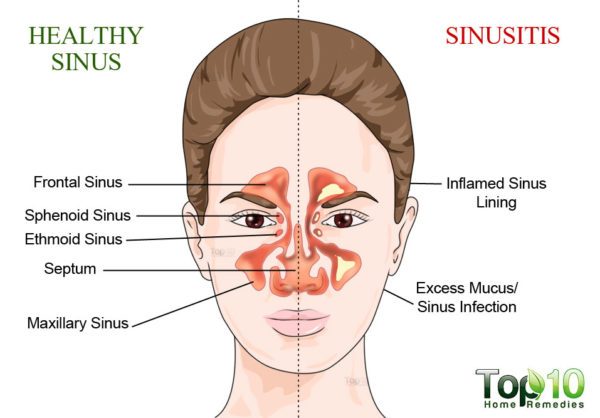
A sinus infection, also known as sinusitis, is a very common upper respiratory tract infection that affects millions of people every year.
It occurs when your nasal cavities become swollen and inflamed. It is usually caused by a virus and often persists even after other upper respiratory symptoms are gone.
understanding sinus infection
This type of infection may be acute or chronic. Acute sinusitis only lasts for a short time, whereas chronic sinus infections last for more than six to eight weeks or frequently recur.
An untreated sinus infection can potentially damage the sinuses and lead to ear infections, vision loss or even meningitis, so it is important to treat it right away. But treating a sinus infection is often delayed because people do not recognize a sinus infection in the initial stage. 
symptoms of sinus infection different from cold
Early symptoms of a sinus infection and a cold are very much alike, usually including a stuffy nose, slight fever, a scratchy throat, and feeling fatigued and just sick.
When it is a cold, the symptoms start improving in three to five days and you start feeling better within a week. But if symptoms persist for more than a week, you most likely have a sinus infection.

Here are some symptoms of a sinus infection that can help you distinguish it from a cold

1. Pain in Your Face

One of the best ways to distinguish between a common cold and a sinus infection is the pain and pressure you feel in your face with an infection.
pressure in your face due to sinus problem
Pain from a sinus infection can occur in and around your nose, in your upper jaw and teeth, and between your eyes. The accumulation of mucus in the sinuses also causes a feeling of heaviness or pressure in your face.
The pain may be worse when you move your head forward or touch the areas overlying your sinus cavities. Also, the maxillary sinuses located under your eyes may be painful when pressed or touched.
2. Yellowish or Greenish Discharge
Discolored nasal discharge – green, yellow or blood-tinged – is another sign of a sinus infection. This is mainly due to the virus in your system, which causes the discharge to change colors.
yellowinsh or greenish discharge due to sinus problem
The discharge may also bypass your nose and flow down your throat, leading to tickling or itching sensations in the back of your throat.
Also, the discharge will be thick and hard to blow out of your nose. This is another major distinction between a sinus infection and a cold. The nasal discharge you experience with a common cold is clear and more liquid in nature.
When suffering from a sinus infection, you’ll find that you need to blow your nose more frequently to get rid of the thick accumulated mucus.

3. Coughing Up Phlegm

A cough often accompanies a sinus infection, but many people assume it is due to a cold or bronchitis.
coughing up phlegm sign of sinus infection
Coughing due to a sinus infection usually is worse at night and in the morning. This is mainly because the sinuses drain down the back of your throat when you lie down, which triggers the cough receptor in the back of the nasal pharynx.
This type of cough also produces phlegm. Phlegm contains the bacteria or virus as well as inflammatory cells produced in response to an infection. The body tries to expel the phlegm that travels to your lungs through coughing.
You can reduce the frequency and intensity of your coughing by sitting upright to sleep. It will also help you sleep better, which is important for recovery.

4. Stuffy Nose that Lasts Longer

A stuffy nose is a classic symptom of both a sinus infection and a cold, but it usually lasts longer when it’s due to sinusitis.
stuffy nose due to sinus infection
This symptom is mainly due to inflamed blood vessels in the sinuses. Your inflamed sinuses may also make it difficult for you to breathe through your nose, giving you the feeling of a stuffy nose. Your voice may also sound “stuffy.”
To ease the problem, inhale steam or take a hot shower to thin the mucus so it’s easier to expel.

5. Headache

Another very common symptom of a sinus infection is a headache, but most people mistake it for a tension headache.
headache symptom of sinus infection
A sinus infection makes the nasal area as well as forehead feel so congested that it hurts and leads to a headache.
Also, the inflammation in the nasal area causes tightening of the muscles around the forehead and the top of your head, making the headache even worse. The headache can be unilateral (on one side) or bilateral (on both sides).
This type of headache usually gets worse when you bend forward and after waking up in the morning. The pain also can get worse if the temperature of your environment changes suddenly, like when it’s very hot outside and you enter an air-conditioned building.

6. Bad Breath

Bad breath, medically known as halitosis, is another common symptom of a sinus infection. In fact, they go hand in hand.
bad breath sign of sinus infection
The back of the tongue, which resides in the throat, is home to bacteria that cause bad breath. During a sinus infection, excess mucus that is produced often slides down the back of your throat.
As the bacteria are bathed in mucus, it causes bad breath. This type of bad breath usually goes away once the sinus infection clears up.
To improve the smell of your breath, maintain oral hygiene by brushing twice a day and flossing once daily. You can also use a mint-flavored mouthwash.

7. Toothache

Believe it or not, pain in the upper teeth is a fairly common symptom of a sinus infection.
toothache could be a symptom of sinus infection
This pain is not an indication of an actual problem with a tooth. Rather, the pain occurs due to all the pressure building up in the sinus cavities in different areas of your face, which gives the impression of a bad toothache.
Also, this pain is bilateral, meaning it occurs on both sides of the face and affects the upper back teeth, which are closest to the maxillary sinuses.
If you have a persistent toothache, consult your doctor to determine whether the pain is due to a sinus infection or other possible dental issues like periodontal disease, teeth grinding, cavities or dental abscesses.

8. Stuffy Ears

Along with a stuffy nose, a sinus infection can cause stuffy ears. It’s a muffled-ear sensation, like the one you may experience in a descending plane. Small children may even complain of mild ear pain.
Your sinuses and ears are connected inside your head. So, the congestion and inflammation of the nasal passages can affect the pressure in your ears.
Also, a buildup of pressure in the inner ear can make you feel dizzy at times.

Saturday, 19 December 2015

Unlocking the benefits of cloves

Unlocking the Benefits of Cloves


One of my favourite winter spices, cloves are often pushed to the edge of your plate. They are mostly used to flavour dishes but seldomly eaten whole. But if you’d know about their impressive qualities, you’d agree they deserve more attention.

Looking back, cloves were probably first used by Chinese emperors to hide bad breath. Over the years, cloves grabbed a prominent place in traditional Chinese medicine and Ayurveda to treat nausea, digestive disorders and flu. The clove tree which is native to Indonesia bears dry, aromatic flower buds which are used as a spice. These unopened, pink buds are picked and dried till they turn brown. They can be used whole or ground. When cooked or soaked in water, they tend to become soft and flavourful. Cloves have a long shelf life and this flowering spice will last you almost a year if stored away from light and moisture. Powered cloves tend to lose their flavour faster.

The sweet aroma sparks memories of the good things about winter - frosted windows and cloves swirling in a hot cup. The pungent and peppery flavour leaves you with a warm fuzzy feeling – just what you need during those chilly days.

The active component of cloves is the eugenol oil. This oil makes up about 60-90% of each clove and it acts against bacteria, viruses and fungi. The oil is known for its antiseptic, anesthetic, aromatic and astringent properties.

According to Dr. Ashutosh Gautam from Baidyanath, “Clove oil is one of the richest sources of antioxidants. In aromatherapy, it is used as an antiseptic and pain reliever especially for toothaches and stomach pain. It is often mixed with other oils to treat various disorders. For instance, those who have troubled sleep can apply some warm clove oil along with sesame oil on the forehead to feel calm and relaxed.”

To make clove infused oil at home, start with toasting a table spoon of whole cloves over medium heat. This helps in mobilizing the volatile oils and makes it easier to extract them. Lightly tap the heads to crack them open and add them to a cup of olive oil or coconut oil. Alternatively, you can grind them and place the powder in a cheesecloth and dip it in the oil jar. Seal with a lid and let it sit for 10 to 15 days but don’t forget to shake it every couple of days. For a stronger flavour you can use more cloves or let them steep for a longer time. Strain and it’s good to use. Since clove essential oil is very potent in nature, it's best to dilute it.

In Ayurveda, cloves are said to be kaphahar which means that they have the ability to balance the kapha dosha. Kapha governs the structure and fluid in the body. Its primary function is protection. Being carminative in nature, it helps in improving digestion. A carminative is any herb or preparation that prevents the formation of gas in the gastrointestinal tract or helps with expulsion. Therefore, it is suggested you add cloves while cooking foods like kidney beans or black gram that tend to cause flatulence. I simply love the wonderful spiciness it adds to everything.

At home, using cloves for clearing up cold has been an ancient natural remedy. You can sip away the symptoms of flu and congestion with a healing brew of cloves, cinnamon and some whole cardamoms infused in tea. You can even inhale the vapours of cloves or clove oil and then sit back and breathe easy. From my grandmother’s treasure trove of home remedies, cloves are great to clear acne and blemishes. Make a paste with cloves, some honey and a drop of lime. Leave it on for 15 minutes and rinse off for glowing skin. Moreover, clove oil is very effective in treating dry and itchy skin. Another clever use of cloves was when she would toss some in the wardrobe and other places to cover up odours.

The strong, spicy scent can do wonders even while cooking meats like fish or pork where the fleshy smell may put some people off. I usually like to stick some cloves in an onion bulb and use it to stir my soup. That gives it a warm and intense flavour.

 , NDTV, Modified:

Friday, 10 October 2014

This is The Best Natural Remedy For Toothache!

Toothache can be very powerful. Those who fear the dentist delay going to him, and suffer pain or even poisoned painkillers. While not dare to go to the dentist, if necessary, try the best natural remedy for toothache that India regularly serves - cloves.
cloves-HERO-0f960300-b8d4-4c16-bec1-8d0e427e46ea-0-472x310352523
As soon as you feel the pain of teeth, put a pod of clove on the sore and tight bite. Hold for 15 minutes to half an hour. The pain will gradually decrease and then disappear altogether. When a toothache stronger, use oil of cloves (available in herbal pharmacies) that acts as an anesthetic. After placing the clove on the sore spot (on the right above or below the painful tooth, rub a little oil of cloves) - the pain will reduce in record time, as when the dentist receiving anesthesia. 
http://www.explorehealthyfood.com/best-natural-remedy-toothache/